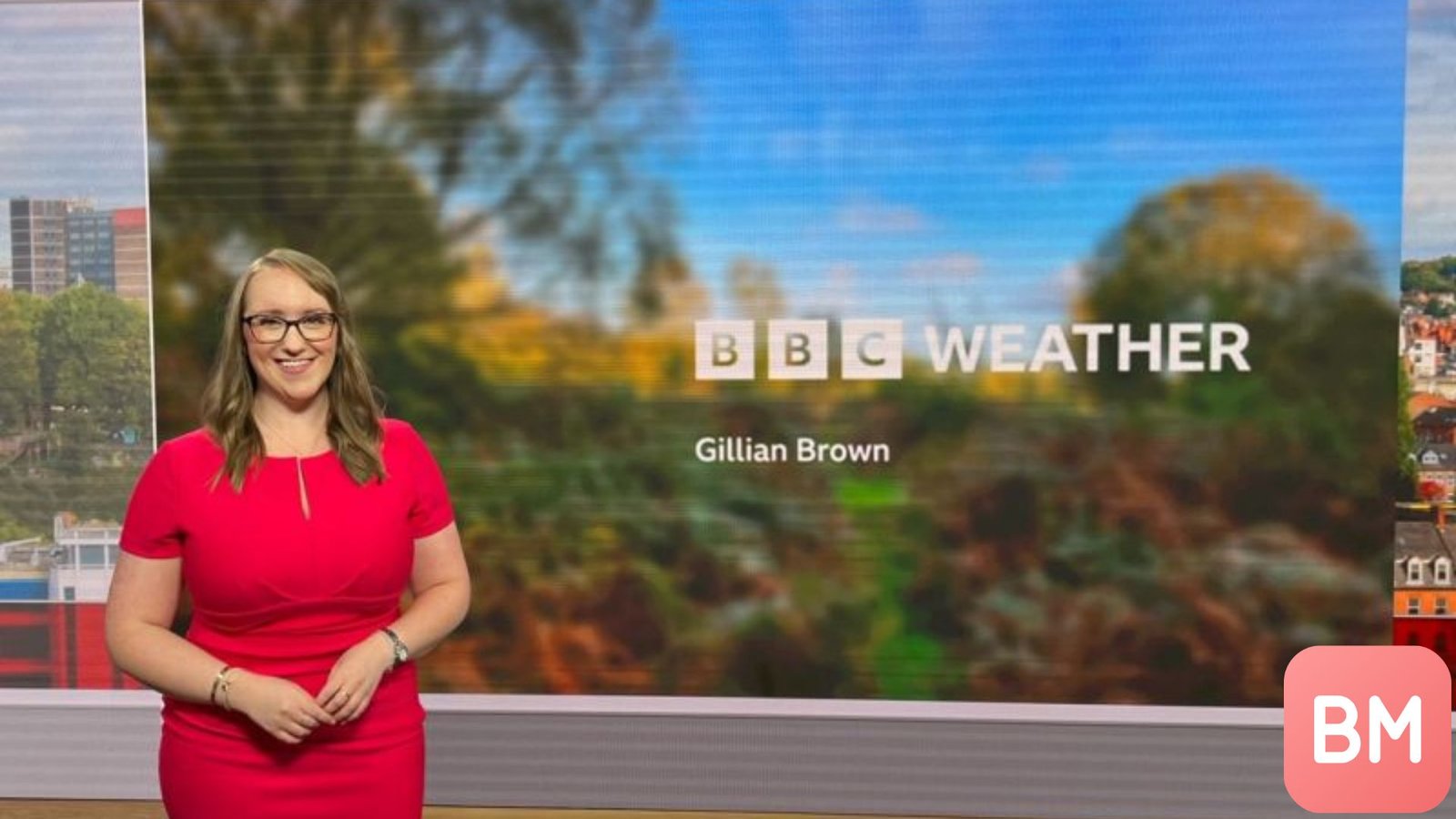
Searching for Gillian Brown disability can lead to conflicting articles and confusing personal claims. If you mean the BBC weather presenter, the reliable sources reviewed for this article do not establish a disability diagnosis or a personal disclosure. That does not establish that she is non-disabled, either. The accurate answer is that her disability status cannot be determined from these sources.
Another relevant search result is a University of Leeds feature about a TV development executive named Gillian Brown who studied disability inclusion. That feature discusses accessibility and professional learning, not a personal medical diagnosis.
Understanding what these sources actually say helps readers separate documented information from unsupported assumptions.
What Is Known About Gillian Brown’s Broadcasting Career?
Bournemouth University’s alumni profile provides a first-person account of Gillian Brown’s education and broadcasting experience.
The profile identifies her as a weather presenter and broadcast journalist associated with BBC East Midlands Today at the time of publication. She describes completing an MA in Radio Production in 2013 before joining BBC Radio Northampton as a broadcast assistant and producer.
Her career account also includes working at BBC Radio Nottingham, returning to Northampton as a journalist, and gaining weather-presenting experience through freelance opportunities across BBC regions.
These details help explain her professional background. However, the profile does not establish a disability diagnosis.
A university career feature is written to discuss education and employment. Its silence on personal health cannot reasonably be treated as proof of either the presence or absence of a disability.
Why Is Gillian Brown’s Name Associated With Disability?
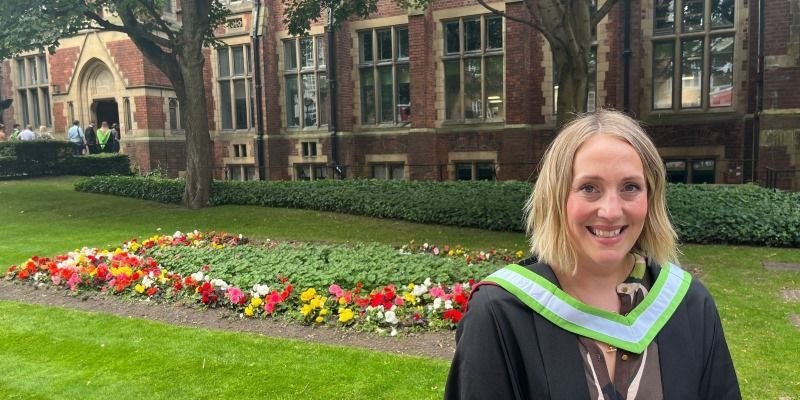
One documented connection comes from the University of Leeds article “Changing perspectives on disability,” published on July 26, 2024.
The university identifies its subject as Gillian Brown, a TV development executive working at Strawberry Blond. The feature describes her experience studying Disability Studies, Rights and Inclusion online.
She explains how the course influenced her thinking about television production, including casting, filming locations, recruitment, and accessibility requirements. It also describes conversations with colleagues about representation and the importance of learning about barriers faced by disabled people.
This is a meaningful connection to disability education. It is not evidence of a personal diagnosis.
There is also an identity issue: the Leeds feature does not identify its subject as the BBC weather presenter. The reviewed sources do not establish a connection between these professional profiles, so their details should not be combined into one biography.
Understanding the Difference Between the Sources
A shared name can make unrelated information appear connected. Before accepting a personal claim, check the professional context and the purpose of the original source.
| Source | Subject described | What it establishes |
|---|---|---|
| Bournemouth University alumni profile | A weather presenter and broadcast journalist | An account of education and broadcasting experience |
| University of Leeds feature | A TV development executive studying disability inclusion | Professional learning about accessibility and representation |
| An article making an unsupported health claim | A person identified by name, sometimes without sufficient context | No reliable confirmation unless supporting evidence is provided |
The key distinction is between working on disability-related issues and disclosing a personal disability.
People may study accessibility because of their job, academic interests, personal experiences, or other reasons. Unless the source explains that connection, readers should not supply an explanation themselves.
Likewise, working in the same broad industry does not prove that two profiles describe the same person. Television includes many different occupations, from presenting and reporting to development and production.
Is There a Confirmed Gillian Brown Disability Diagnosis?
The reliable material reviewed for this article does not provide a basis for identifying a disability affecting the BBC weather presenter.
This is a statement about the available evidence, not a conclusion about her private health.
Three different situations are worth separating:
- Confirmed information: A clearly attributable source supports the specific statement.
- An unsupported claim: A website makes an assertion without evidence that verifies it.
- Unknown information: The available sources do not answer the question.
Unknown information should remain unknown. It should not become a diagnosis, but it should not become a confident claim that someone has no disability either.
It is also more accurate to say that no confirming disclosure was found in the reviewed sources than to claim someone has “never discussed” a subject. The latter would require knowledge of every relevant public statement.

How to Check Articles About Gillian Brown’s Health
A convincing headline is not enough to establish a personal health claim. Readers can evaluate an article by examining where its information comes from.
Find the Original Statement
If an article says that Gillian Brown has spoken publicly about a disability, look for the actual interview, recording, public post, or other original source.
A useful reference should make it possible to establish:
- Who made the statement.
- Where it appeared.
- What was actually said.
- Whether it concerned the person’s own experience.
- Whether the article preserves the original meaning.
A vague reference to “public interviews” does not allow readers to verify the claim.
Confirm the Person’s Identity
Compare the occupation, employer, location, and other relevant details. A matching name alone is insufficient.
An authentic article about a television development executive does not automatically support a statement about a weather presenter. The source may be reliable while the interpretation is wrong.
Photographs require the same care. An image placed beside a biography does not prove that the text has correctly identified its subject.
Check Dates and Context
A profile may accurately describe a person’s role at publication without establishing their current employment.
Similarly, a discussion of disability inclusion may concern workplace practices rather than personal circumstances. Removing that context can change the meaning of an otherwise accurate statement.
Trace Repeated Claims Back to Their Source
Several articles repeating the same information do not necessarily represent independent confirmation. They may all rely on one unsourced page.
Follow the references backward. If there is no identifiable original statement, repetition does not resolve the uncertainty.
Why On-Screen Appearance Is Not Evidence
A viewer’s interpretation of a presenter’s speech, gestures, movement, or facial expressions is not a reliable foundation for reporting a disability.
A television appearance provides a limited view of someone performing a professional role. It does not provide the information needed to establish their medical circumstances.
The same principle applies to professional achievement. Presenting a broadcast or maintaining a demanding career does not demonstrate that someone is non-disabled.
Responsible coverage should focus on what can be verified rather than treating appearance or job performance as a substitute for evidence.
The National Center on Disability and Journalism’s language guide recommends discussing disability when relevant, verifying descriptions, and asking people how they prefer to be described when possible.
For biographical writing, this means avoiding invented stories about personal struggle, recovery, or “overcoming” a condition. Those descriptions require evidence about the person’s actual experience.
What Disability Inclusion Means in This Context
The documented discussion of disability education offers a useful subject beyond speculation about an individual.
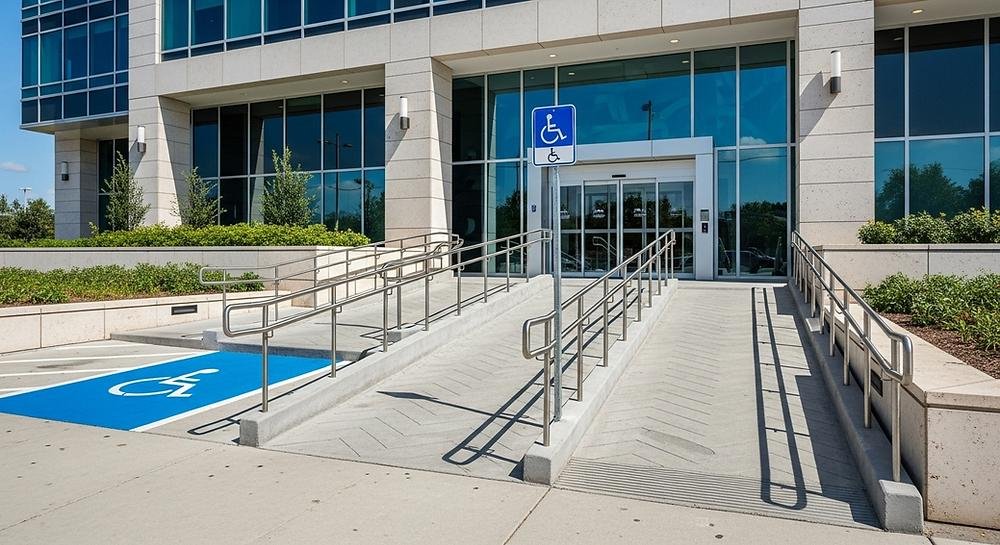
Scope’s explanation of the social model of disability focuses on barriers in society, including inaccessible environments and restrictive attitudes. Removing those barriers can improve people’s opportunities to participate.
For example, an entrance accessible only by stairs excludes some visitors. Providing an accessible route addresses the environmental obstacle.
Similar questions can be considered in media workplaces:
- Can people access the location?
- Is information available in formats they can use?
- Do working arrangements support participation?
- Are assumptions about people’s abilities creating unnecessary barriers?
These are practical questions about accessibility. They can be addressed without speculating about any employee’s diagnosis.
The distinction helps keep coverage useful: disability inclusion is a legitimate topic in its own right, rather than evidence of someone’s private health status.
Frequently Asked Questions
What disability does Gillian Brown have?
The reliable sources reviewed for this article do not establish a disability diagnosis for the BBC weather presenter. Naming a condition would go beyond the available evidence.
Is the Gillian Brown in the Leeds article identified as the BBC presenter?
No. The Leeds feature identifies its subject as a TV development executive working at Strawberry Blond. It does not identify her as the BBC weather presenter, and the reviewed sources do not establish a connection between the profiles.
Does studying disability rights mean someone is disabled?
No. A subject of study does not establish a person’s disability status. People can study disability rights and accessibility for many professional and personal reasons.
Does the absence of health information mean someone has no disability?
No. A career profile may simply concentrate on education and employment. Missing personal health information does not establish either disability or non-disability.
Can social media provide reliable confirmation?
A clearly attributable public statement can be useful primary evidence. However, it must come from the correct person and be read in context. Comments, reposts, and other people’s interpretations do not carry the same evidential value.
What should readers do before sharing a health claim?
Check whether the original source supports the claim and describes the correct person. If the information cannot be verified, avoid presenting it as an established fact.
Conclusion
The Gillian Brown disability search is best answered by keeping professional information, disability-inclusion work, and personal health claims separate. Available sources document career experience and accessibility education, but they do not justify assigning a diagnosis to the BBC weather presenter.
Before accepting or sharing a claim, check the person’s identity, the original statement, and its context. For more profiles, explore Bravo Magazine’s biography section.