
If you are searching for software gdtj45 builder problems, start by identifying the application or website involved before trying a fix. Research for this guide did not establish a verified GDTJ45 Builder developer, official technical manual, supported release history, or trusted installer. That means there is no reliable basis for prescribing product-specific repair commands or system requirements.
You can still investigate a real error. Preserve your work, record exactly what failed, and use the checks below to narrow down the problem. These are general troubleshooting methods, with Windows, macOS, and Chrome guidance linked where relevant—not manufacturer-confirmed GDTJ45 fixes.
First, Identify What “GDTJ45 Builder” Refers To
A name in an article, a downloaded file, and an application on your computer are different kinds of evidence. Establish where you encountered the term.
If it appears only in a search result, there may be no installed software to repair. If it appears inside another program, it could be a project label or component identifier rather than the product name. Those are possibilities to investigate, not established explanations for GDTJ45.
For an installed application, record its displayed name, publisher, version, and installation source. For a browser tool, record the website address and the organization responsible for your account. For workplace software, ask the administrator who supplied it.
A useful identity check connects three things: the application you have, the organization that distributes it, and documentation describing that same application. A matching name alone does not establish that connection.
What Is Verified, and What Remains Unknown?
The product-specific details below could not be established through reliable primary documentation during this review.
| Detail | What readers should do |
|---|---|
| Official developer and download channel | Verify them before installing or reinstalling |
| Minimum memory, processor, or storage requirements | Request the identified publisher’s requirements |
| Supported operating systems and browsers | Check documentation for the actual application and version |
| Error-code meanings and repair commands | Match them to an authoritative manual or support response |
| Recovery, export, or autosave features | Check whether they exist before relying on them |
Limited public evidence does not prove that a private or internal tool cannot exist. It does mean that confident instructions about specific menus, file paths, or fixes would be premature.

Protect Your Work Before Changing Anything
The first goal is to avoid turning a small interruption into lost work.
If the application still responds, use its documented save or export function. Keep the original and work on a separate copy where possible. If a document cannot be saved, copy accessible text into a separate file and capture screenshots of settings or errors you may need later.
For a browser editor, avoid refreshing or signing out until you know whether recent changes reached the server. A project appearing on screen does not, by itself, prove that it has been saved remotely.
Before restarting, collect these details:
- The complete error message, including any code.
- The action immediately before the failure.
- Whether one project or every project is affected.
- The application, browser, and operating-system versions.
- Recent changes, such as an update, imported file, or new extension.
Do not start by deleting folders described as “cache” in an unrelated tutorial. Without knowing the application’s storage design, you cannot assume those folders contain only disposable data.
Match the Symptom to the Next Useful Check
“Not working” is too broad to diagnose. Identify the point where the workflow stops, then choose a test that answers a specific question.
| Symptom | First useful check | What the result helps distinguish |
|---|---|---|
| Installer will not run | Check its source and the exact warning | A security restriction versus an installation error |
| Application will not open | Note whether it fails before any project loads | Application startup versus project loading |
| Browser page freezes | Preserve work, then test another supported browser | A browser-specific issue versus a broader failure |
| One project fails | Open a separate, small test project if supported | Project-specific trouble versus an application-wide issue |
| Saving fails | Check destination, access, and available space | A storage problem versus another application error |
| Build or export fails | Read the first meaningful error in the log | The initial failure versus later consequences |
These comparisons narrow the investigation. They do not automatically establish a cause.
If the Installer or Desktop App Will Not Open
Separate a blocked download from a crash. A security message asks a different question from an application that opens and immediately closes.
Check an Unfamiliar Installer Before Running It
Confirm where the file came from and whether its publisher matches the organization you expected. Do not install a “repair tool,” replacement library, or patched executable simply because a search result promises to solve the problem.
On Windows, Microsoft explains how to scan a file or folder with Windows Security. Right-click the item, select Show more options where needed, and choose Scan with Microsoft Defender when available. A clean result is not proof of the publisher’s identity.
On a Mac, read the warning carefully. Apple’s guide to safely opening apps explains checks involving developer identity, tampering, and notarization. Do not bypass a warning merely to follow an unverified troubleshooting article.
Use Repair Options Only for an Identified Application
For a trusted application on Windows 11, a built-in repair option may be available:
- Open Settings.
- Select Apps, then Installed apps.
- Open the menu beside the application.
- Choose Advanced options, if present.
- Select Repair, if available.
Microsoft’s app and program repair instructions explain that these options are not available for every program. Their presence should not be assumed for GDTJ45.
Treat reset or reinstall as a separate decision. Confirm how the actual application stores projects and settings, and preserve recoverable data before proceeding. If it is managed by your employer, involve the administrator rather than changing installation permissions yourself.
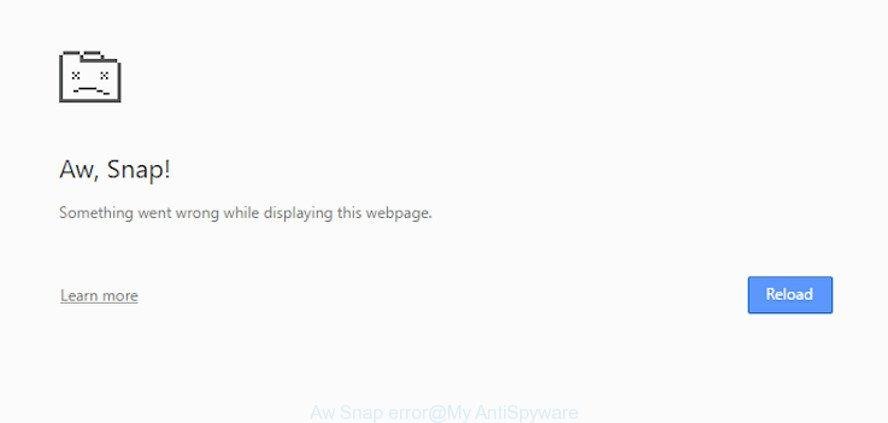
If a Browser-Based Tool Freezes or Will Not Load
Use this section only if the application actually runs in a browser. It does not establish that GDTJ45 is a web service.
After protecting unsaved work, test whether the problem affects one page, one browser, or other websites too. Google’s Chrome troubleshooting guide recommends checks such as closing unnecessary tabs and apps, restarting Chrome, and trying the page in another browser.
Interpret the results carefully:
- It works in another supported browser: investigate the original browser’s configuration or extensions.
- Other websites also fail: investigate the connection before altering the project.
- Only this service fails: check its verified service-status or support channel, if available.
A second browser is a diagnostic comparison, not a guarantee of compatibility. Use the browser supported by the identified service for ongoing work.
Avoid clearing all browsing data as your first experiment. First determine whether the editor stores drafts locally and whether you can recover them. Signing out or changing browser profiles may also interrupt access to an unfinished session.
If Projects Will Not Save or Reopen
Establish where the project should be stored: on your computer, in a shared folder, or within an online account. Each location calls for different checks.
For a local project, inspect available storage and whether you have permission to write to the destination. If the application supports it, try saving a small test document under a new name in a folder you control. Preserve the original file.
For an online workspace, check that you are in the intended account and have editing access. Viewing permission and editing permission may differ. Record any message about access, storage limits, or synchronization rather than assuming a weak connection is responsible.
For a shared project, coordinate with other editors before restoring an older copy. Otherwise, a recovery attempt could overwrite someone else’s changes.
If a saved copy exists, open it separately and check whether recent work is present. A success notification alone is less useful than confirming that the saved content can be reopened.
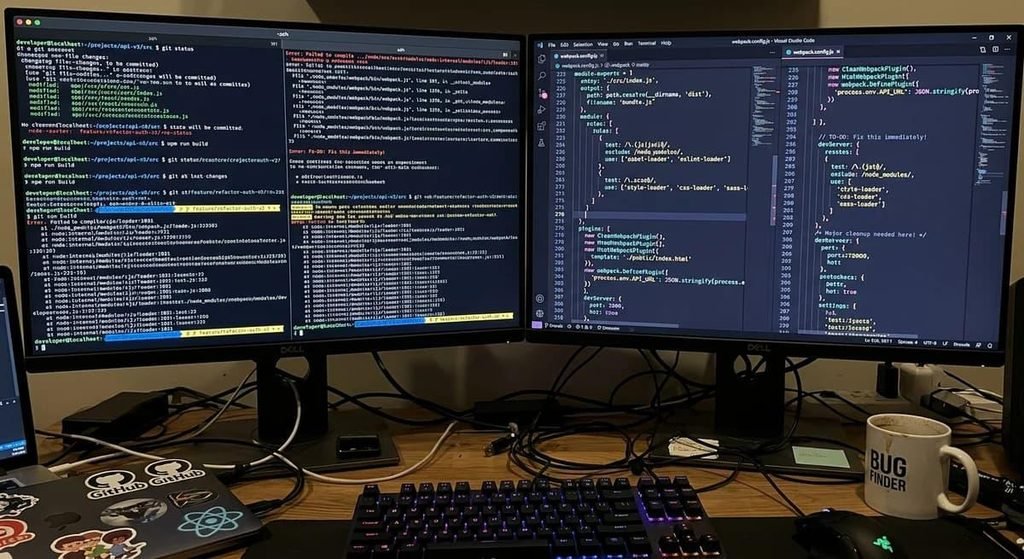
If a Build or Export Fails
Use the actual output message to guide the next step. This section applies only if the identified software has a build or export function.
A build turns project inputs into an output; an export saves content in another form. A failure at either stage can have several explanations, so “build failed” alone is not enough evidence for a repair.
Read the earliest meaningful error, then check its context. Later messages may describe consequences of the initial failure. If a message names an input file, inspect that file and its location. If it identifies an unsupported setting, consult documentation for the installed version.
Try a small comparison on a duplicate project. For example, if adding one asset coincided with the failure, test a copy without that asset. This is a troubleshooting experiment, not proof that the asset is defective.
Change one thing at a time and record the result. Updating several components, changing permissions, and removing files together makes it difficult to determine which action mattered.
There is no verified basis here for a GDTJ45-specific command, package dependency, configuration path, or error-code lookup table. Use instructions for the tool identified in your actual log.
Know When to Stop and Ask for Help
Escalate when the next proposed step could destroy the only copy of your work, requires permissions you do not have, or depends on unidentified downloads.
A useful support request includes the product and version, exact error, steps that trigger it, expected result, and tests already completed. Explain whether the failure affects one file, one account, or multiple devices.
Remove passwords, access tokens, private customer information, and confidential project content from logs or screenshots before sharing them. Send the smallest example that demonstrates the issue through the organization’s verified support channel.
If you need help evaluating articles you find during research, Bravo Magazine’s guide to finding relevanGDTJ45 Builder, Software Troubleshooting, Software Errors, Data Backup, Build Errorst technology news sources offers related reading. For repair instructions, prioritize documentation for the exact product and version over general technology coverage.
Frequently Asked Questions
Can I use a GDTJ45 fix written for a different version?
Only after confirming that the instructions apply to your actual application. A matching name is insufficient; settings, formats, and recovery behavior may differ between versions.
Should I buy more RAM to solve the problem?
Not on the basis of this keyword alone. No verified GDTJ45 memory requirement was established. Check the identified product’s requirements and evidence of resource pressure before spending money.
Does the problem mean my project is corrupted?
No. A failure to open a project does not establish corruption. Access restrictions, application compatibility, and unavailable files also need investigation. Preserve the original while testing a copy.
Can I upload my project to a public forum for diagnosis?
Use a small example containing no confidential material, and confirm you have permission to share it. Full projects and logs can expose information unrelated to the error.
What if GDTJ45 is an internal workplace tool?
Ask your administrator for its owner, documentation, and supported installation source. Internal documentation may resolve questions that public searches cannot answer.
Conclusion
The next useful step is the one supported by your actual error and application identity. Preserve the original project, test a single explanation at a time, and keep a record of what changes. If the product itself cannot be verified, pause before installing anything advertised as its fix.